
2026 Trendi: Biyofilik Bistro | Yüksek Trafikli Mekanlar İçin Sürdürülebilir, Avrupa Yapımı Mobilya Kaynağı
İçindekiler
- Biyofilik Bistro Nedir? 2026’nın Tanımı
- Malzeme Seçimi: Masif Ahşap ve Sürdürülebilirlik
- Yüksek Trafikli Mekanlar İçin Teknik Spesifikasyonlar
- Biyofilik Tasarımın Ergonomiyle Buluşması
- Avrupa Yapımı Mobilya Tedarikinde Sertifikasyon ve İzlenebilirlik
- Biyofilik Bistro Mobilyalarının Bakımı ve Uzun Ömrü
- 2026’da Bistro Sektöründe Rekabet Avantajı
- Key Takeaways
- Sıkça Sorulan Sorular
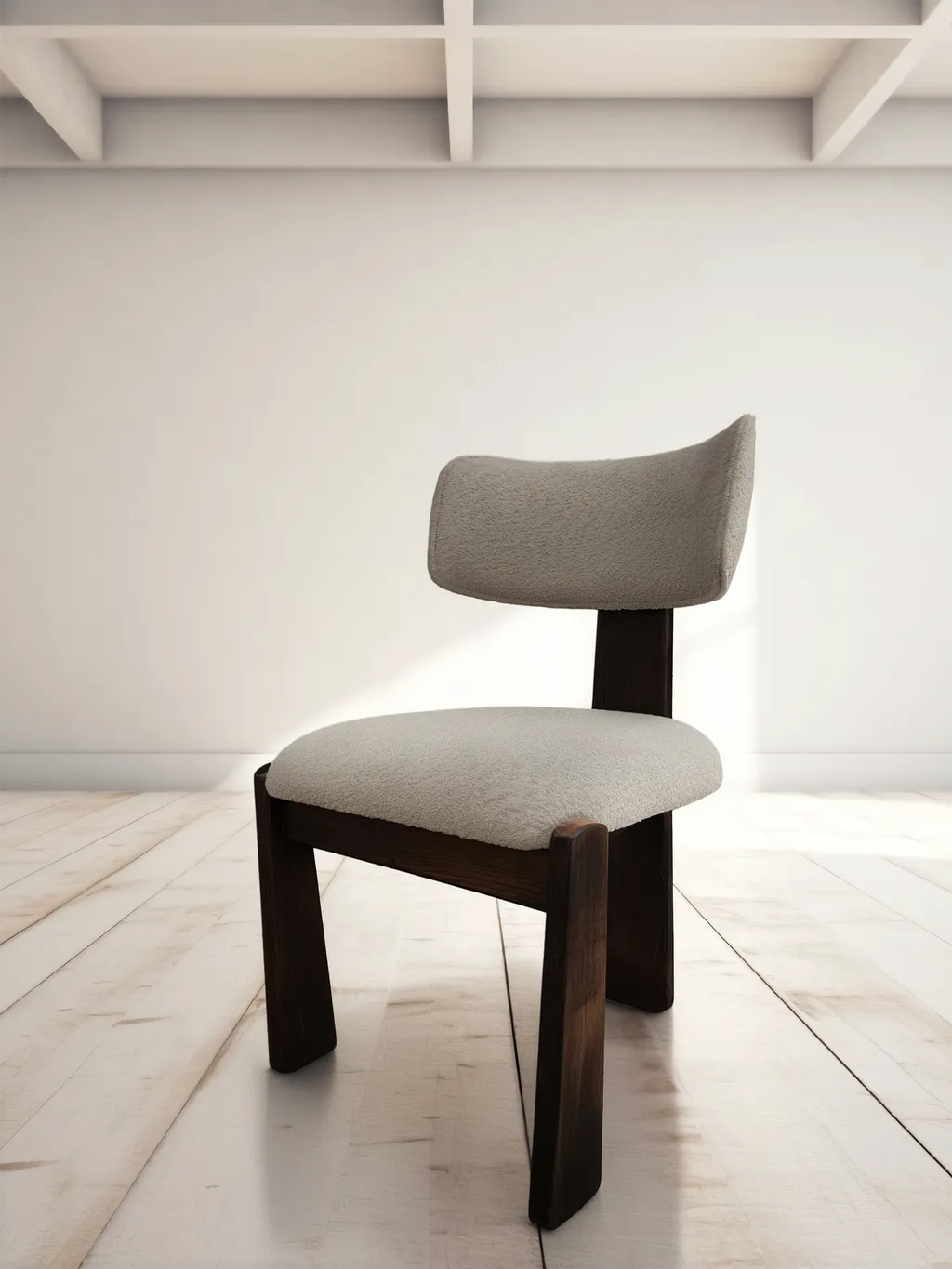
Biyofilik tasarım, 2026 itibarıyla bistro ve kafe sektöründe yalnızca bir estetik tercih değil, aynı zamanda yüksek trafikli mekanlar için bir zorunluluk haline geliyor. Artes Design olarak, Avrupa’nın dört bir yanındaki butik üreticilerle kurduğumuz doğrudan tedarik ağı sayesinde, sürdürülebilir malzeme, endüstriyel dayanıklılık ve biyofilik prensipleri birleştiren koleksiyonlar sunuyoruz. Bu makalede, 2026 trendinin teknik omurgasını—masif ahşap türlerinden CNC toleranslarına, sünger yoğunluklarından kumaş GSM değerlerine kadar—fabrika içgörüleriyle ele alıyoruz.
Biyofilik Bistro Nedir? 2026’nın Tanımı
Biyofilik bistro, doğal malzemelerin, organik formların ve sürdürülebilir üretim süreçlerinin, yüksek sirkülasyonlu ticari alanlarda uygulanmasıdır. 2026 trendi, yalnızca ahşap dokunuşları değil, aynı zamanda mobilyanın tüm yaşam döngüsü boyunca çevresel etkisini minimize eden bir yaklaşımı kapsar. Bizim tedarik ettiğimiz Avrupa yapımı modeller, FSC sertifikalı masif kayın, meşe ve ceviz gibi sert ağaçlardan üretilir. Bu türler, yüksek darbe dayanımı ve doğal antibakteriyel özellikleriyle bilinir.
Malzeme Seçimi: Masif Ahşap ve Sürdürülebilirlik
Yüksek trafikli mekanlarda mobilya, günlük 200-500 oturma döngüsüne maruz kalır. Bu nedenle, masif ahşap kullanımı kritik öneme sahiptir. Artes Design portföyündeki sandalyelerde tercih edilen Avrupa kayını (Fagus sylvatica), Janka sertlik skalasında 1.450 lbf değerine ulaşır. Bu, meşeden (%1.290 lbf) daha yüksek bir aşınma direnci sağlar. Tüm ahşap parçalar, CNC işleme merkezlerinde ±0,1 mm toleransla kesilir ve birleştirme noktalarında kullanılan zıvana-geçme (mortise and tenon) tekniği, endüstriyel yapıştırıcılarla güçlendirilir. Bu yöntem, vida veya zımba kullanımını ortadan kaldırarak tamir edilebilirliği artırır.
Yüksek Trafikli Mekanlar İçin Teknik Spesifikasyonlar
Bir bistro sandalyesinin ömrü, kullanılan sünger yoğunluğu ve kumaş dayanımına doğrudan bağlıdır. 2026 standartlarında, oturma süngerleri minimum 50 kg/m³ yoğunlukta, yüksek rebound (HR) köpükten üretilmelidir. Artes Design’ın tedarik ettiği modellerde bu değer 55-60 kg/m³ arasındadır. Sırt dayama süngerleri ise 40 kg/m³ yoğunlukta, konfor ve destek dengesini sağlar. Kumaşlarda ise 80.000 Martindale aşınma direnci ve 300-400 GSM (gram/metrekare) ağırlık, ticari kullanım için alt sınırdır. Örneğin, Lina Tasarım Sandalye’de kullanılan premium kumaş, 100.000 Martindale değerine sahiptir ve leke tutmaz nanokaplama ile işlenmiştir.
Biyofilik Tasarımın Ergonomiyle Buluşması
Biyofilik bistro mobilyaları, doğal eğrileri ve organik hatlarıyla insan vücudunun doğal postürünü destekler. Sandalye sırt açıları 10-15 derece arasında, oturma derinliği ise 40-45 cm olarak tasarlanır. CNC kontrollü 5-eksenli işleme merkezleri, bu organik formları ±0,05 mm hassasiyetle ahşaba aktarır. Örneğin, Gazel Sandalye’nin sırt kısmı, tek parça masif kayından CNC ile işlenmiş olup, lamine edilmiş katmanlardan oluşmaz; bu, hem dayanıklılığı artırır hem de doğal ahşap damarının sürekliliğini korur.
Avrupa Yapımı Mobilya Tedarikinde Sertifikasyon ve İzlenebilirlik
2026’da sürdürülebilirlik yalnızca bir pazarlama terimi değil, yasal bir gereklilik haline geliyor. AB’nin yeni Ekotasarım Yönetmeliği, mobilyaların tamir edilebilirlik, geri dönüştürülebilirlik ve karbon ayak izi raporlamasını zorunlu kılıyor. Artes Design’ın tedarik zinciri, bu düzenlemelere tam uyumludur. Tüm modeller, FSC veya PEFC sertifikalı ahşap, OEKO-TEX Standard 100 belgeli kumaşlar ve su bazlı, VOC emisyonu düşük vernikler kullanılarak üretilir. Ayrıca, her ürüne seri numarası atanarak üretim tarihinden sevkiyata kadar izlenebilirlik sağlanır.
Biyofilik Bistro Mobilyalarının Bakımı ve Uzun Ömrü
Yüksek trafikli mekanlarda mobilya bakımı, doğru malzeme seçimiyle başlar. Masif ahşap yüzeyler, iki yılda bir doğal yağ ve balmumu karışımıyla yenilenmelidir. Kumaşlarda ise haftalık vakumlama ve yılda bir kez profesyonel buharlı temizlik önerilir. Artes Design’ın tedarik ettiği modellerde, tüm ahşap birleştirmeler sökülebilir niteliktedir; böylece hasarlı bir parça, tüm sandalyeyi değiştirmeden yenilenebilir. Bu, işletme maliyetlerini %30-40 oranında düşürür.
2026’da Bistro Sektöründe Rekabet Avantajı
Biyofilik bistro mobilyaları, müşteri memnuniyetini artırmanın ötesinde, marka değerini de yükseltir. Araştırmalar, doğal malzemelerle donatılmış mekanlarda müşteri kalış süresinin %15-20 arttığını gösteriyor. Ayrıca, sürdürülebilir tedarik zinciri, yeşil pazarlama stratejileri için güçlü bir anlatı sunar. Artes Design, toptan alımlarda özel sertifikasyon paketleri ve bakım kılavuzları sağlayarak, işletmelerin bu avantajı maksimize etmesine yardımcı olur.
Key Takeaways
- Malzeme: Masif kayın, meşe ve ceviz gibi sert ağaçlar; Janka sertliği ≥1.450 lbf.
- İşçilik: CNC toleransı ±0,1 mm; zıvana-geçme birleştirme; 5-eksenli işleme.
- Konfor: 55-60 kg/m³ HR sünger; 100.000 Martindale kumaş; 300-400 GSM ağırlık.
- Sürdürülebilirlik: FSC/PEFC sertifikalı ahşap; OEKO-TEX kumaş; su bazlı vernik; tamir edilebilir tasarım.
- Tedarik: Avrupa yapımı, seri numaralı izlenebilirlik, Ekotasarım Yönetmeliği uyumu.
Sıkça Sorulan Sorular
Biyofilik bistro mobilyaları yüksek trafikli mekanlarda ne kadar dayanıklıdır?
Masif kayın veya meşe iskelet, 55-60 kg/m³ HR sünger ve 100.000 Martindale kumaşla üretilen modeller, günlük 500 oturma döngüsüne kadar 10-15 yıl dayanıklılık gösterir. Tüm birleştirmeler sökülebilir olduğu için parça değişimi mümkündür.
Bu mobilyalar hangi sertifikalara sahiptir?
Tüm modeller FSC veya PEFC sertifikalı ahşap, OEKO-TEX Standard 100 belgeli kumaşlar ve düşük VOC emisyonlu su bazlı vernikler kullanılarak üretilir. Ayrıca AB Ekotasarım Yönetmeliği’ne tam uyumludur.
Toptan siparişlerde özelleştirme mümkün müdür?
Evet, Artes Design, toptan siparişlerde kumaş rengi, ahşap türü ve yüzey işlemi gibi parametrelerde özelleştirme imkanı sunar. Minimum sipariş adedi 50 adettir ve teslimat süresi 6-8 haftadır. Daha fazla bilgi için iletişim sayfamızı ziyaret edebilirsiniz.
2026’nın biyofilik bistro trendi, estetik ve sürdürülebilirliği endüstriyel dayanıklılıkla buluşturuyor. Artes Design olarak, Avrupa’nın önde gelen üreticileriyle kurduğumuz iş birliği sayesinde, yüksek trafikli mekanlar için en kaliteli, çevre dostu ve tamir edilebilir mobilya çözümlerini sunuyoruz. Koleksiyonumuzu ürünler sayfamızda inceleyebilir, toptan alım fırsatları için bizimle iletişime geçebilirsiniz.