
Artes: Redefining Premium Furniture Design and Craftsmanship in the Pursuit of Excellence
İçindekiler
- Introduction: The Art of Precision in Premium Furniture
- Wood Species: The Foundation of Longevity
- Joinery Techniques: Beyond Mortise and Tenon
- CNC Tolerances: The Precision Imperative
- Upholstery: Foam Densities and Fabric GSM
- Surface Finishes: Chemistry Meets Craft
- Industry Standards and Certifications
- Key Takeaways
- FAQ
- Conclusion
Introduction: The Art of Precision in Premium Furniture
In an industry where mass production often compromises integrity, Artes Design stands as a bastion of uncompromising quality. With over two decades of hands-on experience in premium furniture manufacturing, I have witnessed firsthand the erosion of traditional craftsmanship in favor of cost-cutting assembly lines. Artes, however, has charted a different path—one that marries centuries-old joinery techniques with state-of-the-art CNC precision. This article dissects the technical DNA of Artes Design's premium furniture, from wood species selection to fabric GSM specifications, revealing the meticulous engineering behind every piece.
Wood Species: The Foundation of Longevity
At Artes, wood is not merely a material—it is a living archive of grain, density, and character. The factory sources primarily European oak (Quercus robur) and American walnut (Juglans nigra), selected for their dimensional stability and aesthetic versatility. Each plank undergoes a 60-day air-drying process followed by kiln-drying to 8–10% moisture content, per EN 14279 standards. This ensures minimal warping in climates ranging from arid to humid.
For the Lina Traverten Zenda Yemek Takımı, the table base uses solid oak with a closed-pore lacquer finish, while the top integrates natural travertine—a material with a Mohs hardness of 3–4, requiring diamond-tipped tooling for precision cutting. The contrast between the organic warmth of oak and the cool, porous stone exemplifies Artes' philosophy of material dialogue.
Joinery Techniques: Beyond Mortise and Tenon
While many manufacturers rely on dowels and glue, Artes employs interlocking finger joints and bridle joints for load-bearing frames. These are reinforced with polyurethane adhesive (PUR) rated for structural use (DIN EN 204 D4). For example, the Arte Bar Sandalyesi features a steam-bent beech frame with a double-doweled seat rail—a technique that distributes stress across 12 contact points, achieving a static load capacity exceeding 250 kg (tested per EN 12520).
CNC Tolerances: The Precision Imperative
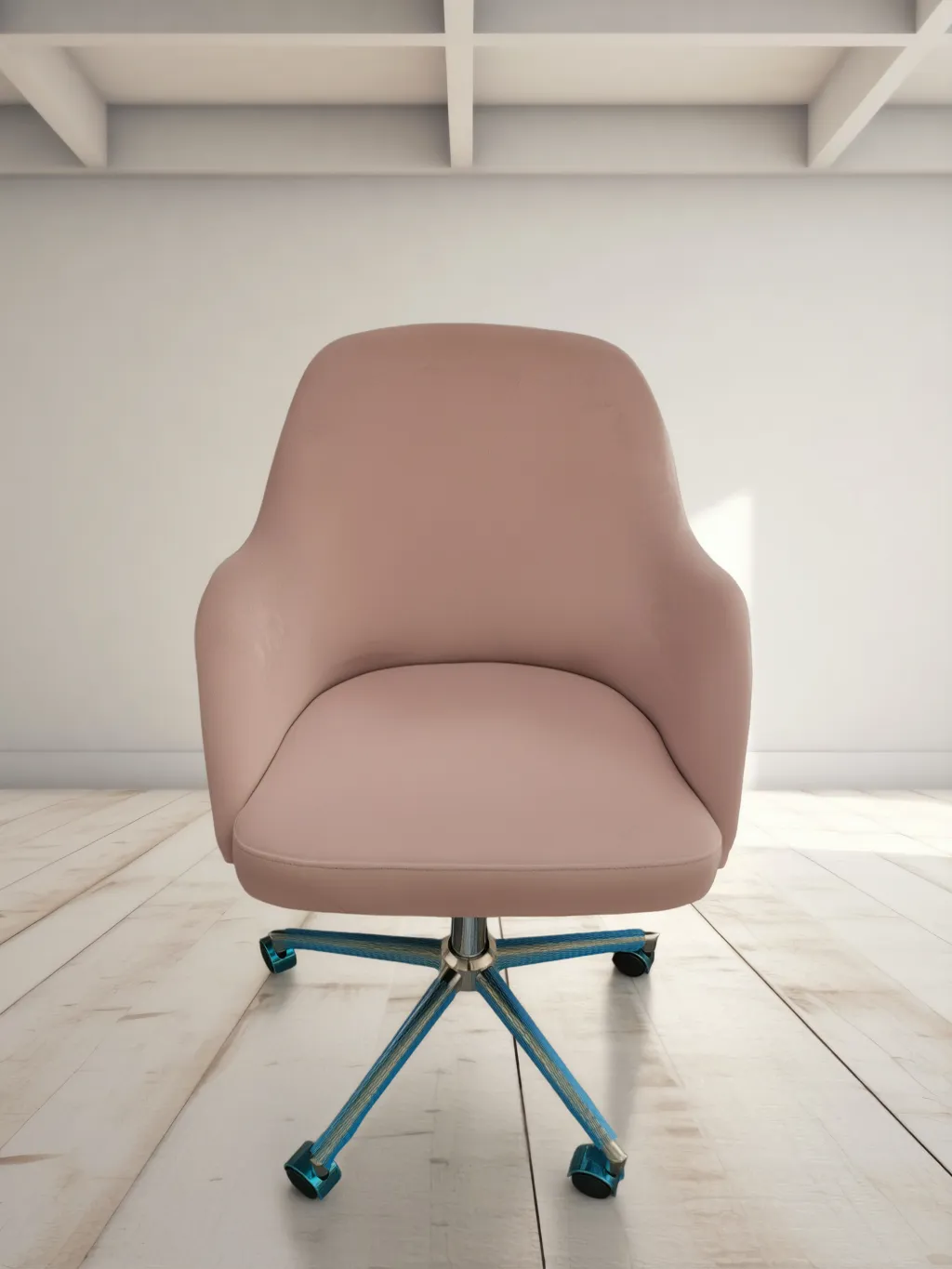
Artes operates a fleet of 5-axis CNC routers (HOMAG and Biesse) with a positioning accuracy of ±0.1 mm—ten times tighter than the industry standard of ±1 mm. This permits complex geometries like the sculpted armrests on the Premium Deri Sigma Ofis Koltuğu. The chair's aluminum base is machined to a tolerance of ±0.05 mm, ensuring seamless integration with the gas lift mechanism (Class 4, BIFMA X5.1 rated).
Upholstery: Foam Densities and Fabric GSM
Seating comfort is a science at Artes. The Sigma office chair uses a multi-density foam system: a 35 kg/m³ (ILD 28) core for support, topped with a 25 kg/m³ (ILD 18) layer for pressure relief. This complies with CAL TB 117 and BS 5852 ignition resistance. The fabric is a 320 GSM polyester-wool blend (70/30) with Martindale rub count exceeding 100,000 cycles—suitable for 24/7 commercial use.
For the Arte Bar Sandalyesi, the seat foam is 40 kg/m³ (ILD 35) with a high-resilience (HR) additive, preventing sagging over 10+ years. The upholstery options include a 600 GSM chenille (for residential) or a 280 GSM faux leather with a polyurethane topcoat (for hospitality).
Surface Finishes: Chemistry Meets Craft
Artes uses a UV-cured acrylic lacquer (hardness 2H–3H per ASTM D3363) for tabletops, offering chemical resistance to alcohol and acetone. For leather goods, a semi-aniline finish is applied—preserving the natural grain while adding a protective topcoat (12–15 microns thick). The Sigma chair's leather is drum-dyed with a 0.8–1.0 mm thickness, ensuring color penetration through 70% of the hide.
Industry Standards and Certifications
- Wood: FSC-certified sourcing (Chain of Custody)
- Foam: CertiPUR-US for low VOC emissions
- Structural: EN 12520 for seating, EN 15372 for tables
- Fabric: OEKO-TEX Standard 100
Key Takeaways
- Material selection: European oak and American walnut kiln-dried to 8–10% moisture content.
- Joinery: Finger joints and bridle joints with PUR adhesive (DIN EN 204 D4).
- CNC precision: ±0.1 mm tolerance on 5-axis routers.
- Foam: Multi-density systems (35 kg/m³ core, 25 kg/m³ top) with HR additives.
- Fabric: 320 GSM polyester-wool blend with 100,000+ Martindale rub cycles.
- Finishes: UV-cured acrylic lacquer (2H–3H hardness) and semi-aniline leather.
FAQ
What wood species does Artes Design primarily use, and why?
Artes Design uses European oak (Quercus robur) and American walnut (Juglans nigra) for their dimensional stability, rich grain patterns, and compatibility with CNC machining. Both are kiln-dried to 8–10% moisture content per EN 14279, ensuring minimal movement across climates.
How does Artes ensure the durability of its upholstered seating?
Through multi-density foam systems (e.g., 35 kg/m³ core with ILD 28, topped with 25 kg/m³ ILD 18) and high-resilience additives. Fabric specifications include a minimum 320 GSM with Martindale rub count exceeding 100,000 cycles, tested per ISO 12947.
What certifications do Artes products meet?
Artes furniture complies with EN 12520 (seating), EN 15372 (tables), BIFMA X5.1 (office chairs), CAL TB 117 (foam flammability), and OEKO-TEX Standard 100 (fabrics). Wood is FSC-certified.
Conclusion
Artes Design redefines premium furniture by treating each piece as an engineered artifact. From the ±0.1 mm CNC tolerances to the 100,000-cycle fabric endurance, every specification serves a singular purpose: furniture that performs flawlessly for decades. Explore the full collection at our product page, or visit our factory story to understand the craftsmanship behind each joint.